|
6/22/2016 0 Comments Knowledge as a Common Good
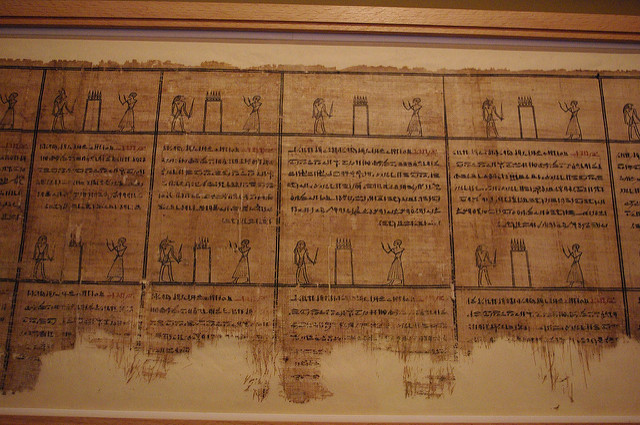
I like the idea shared by R3D on his article "Authors' rights are broken -- but we can fix them" (it's in Spanish). It makes a great point for sharing knowledge by stating that there are two kinds of knowledge: the knowledge as pie and the knowledge as recipe. Imagine the owner of a pie shop; he makes a few pies a day, and these benefit a few people. He keeps his recipe under lock and key; when he dies, his recipe is lost forever, and so that knowledge is also lost. But what if the owner of the pie shop decided to share his recipe? New recipes with modified ingredients would soon appear, as the body of knowledge built upon the previous knowledge, thus growing the knowledge base of the people. 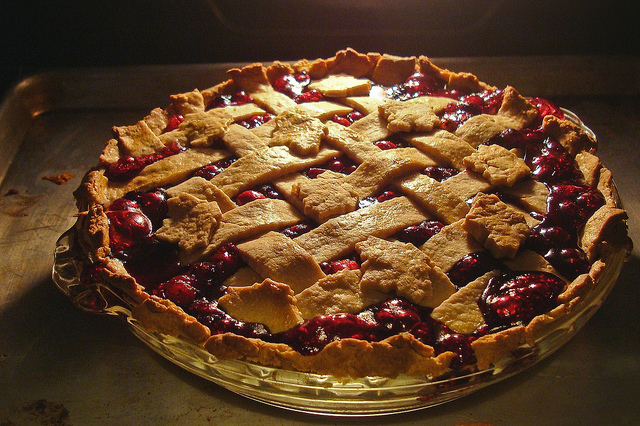 It works pretty much the same way with copyrighted material. When an author copyrights material, he is limiting access to the material to only a few people who pay for it; the "recipe" is locked away under copyright law, and there isn't much that can be done about it (besides using bits and pieces of the pie under fair use). The copyright in Canada, for instance, is life plus 50 years after -- which means that by the time the copyright is over, people may have forgotten about the pie altogether. As educators and authors of content, we can ensure that knowledge continues to grow by making the material available through a Creative Commons License. Engines such as Google Images, Youtube, Flickr and others, all have the option to make the material fall under a Creative Commons License -- and you can decide how the License is to be used. So, if you have a video or a book, there are ways to make these products licensed under CC; and if you make a website, for instance, you can add a CC license to the whole thing by getting a link here. Finally, we can also search for CC material by following this link. 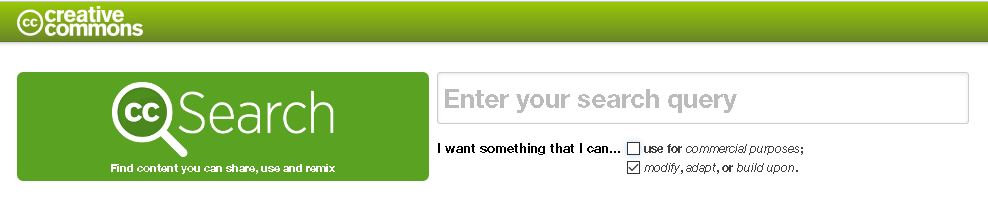 Still, while as an educator, it is great to be able to publish and access CC items for our use, it is difficult to see how someone who makes a living out of producing intellectual property could be blamed for wanting to copyright their material. In this case, I see a painting or a design a little bit like a pie; if the pie shop owner can't sell his pies, and that is how he makes his money, then how can he survive? As educators, there is a murky line between what should be shared, such as best practices for education and ideas for lesson plans, and what could be potentially something that an educator charges for -- such as books detailing years of research, visual aides and new methods of teaching. I believe that waiting 50 years after the death of the author is not feasible or relevant, but that it should be up to the content creator to share their work under CC if and when they feel like the pies they sold have made them some money to live.  One last thought. We are at a strange crossroads in terms of knowledge; we have built our own Alexandria library on the cloud, and while we may think that the internet is indestructible, the reality is that it is a very tenuous thing, relying on electricity, servers and manpower. Our reliance on this method of saving knowledge alone is probably not a great thing for future generations. In case of a global calamity where electricity is lost, we would suddenly have no access to the Internet, and the few people who carry the knowledge would be extremely important. Perhaps this is something to think about -- how can we save our recipes for the future in a way that they can't be easily destroyed? Knowledge is our most important asset, and finding a way to reliably keep it and build upon it should be a priority for everyone.
0 Comments
Leave a Reply. |
 RSS Feed